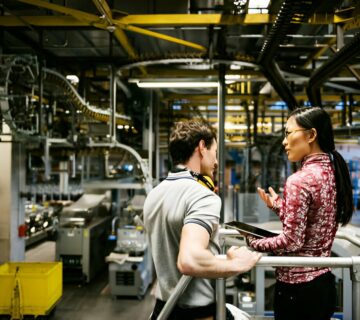
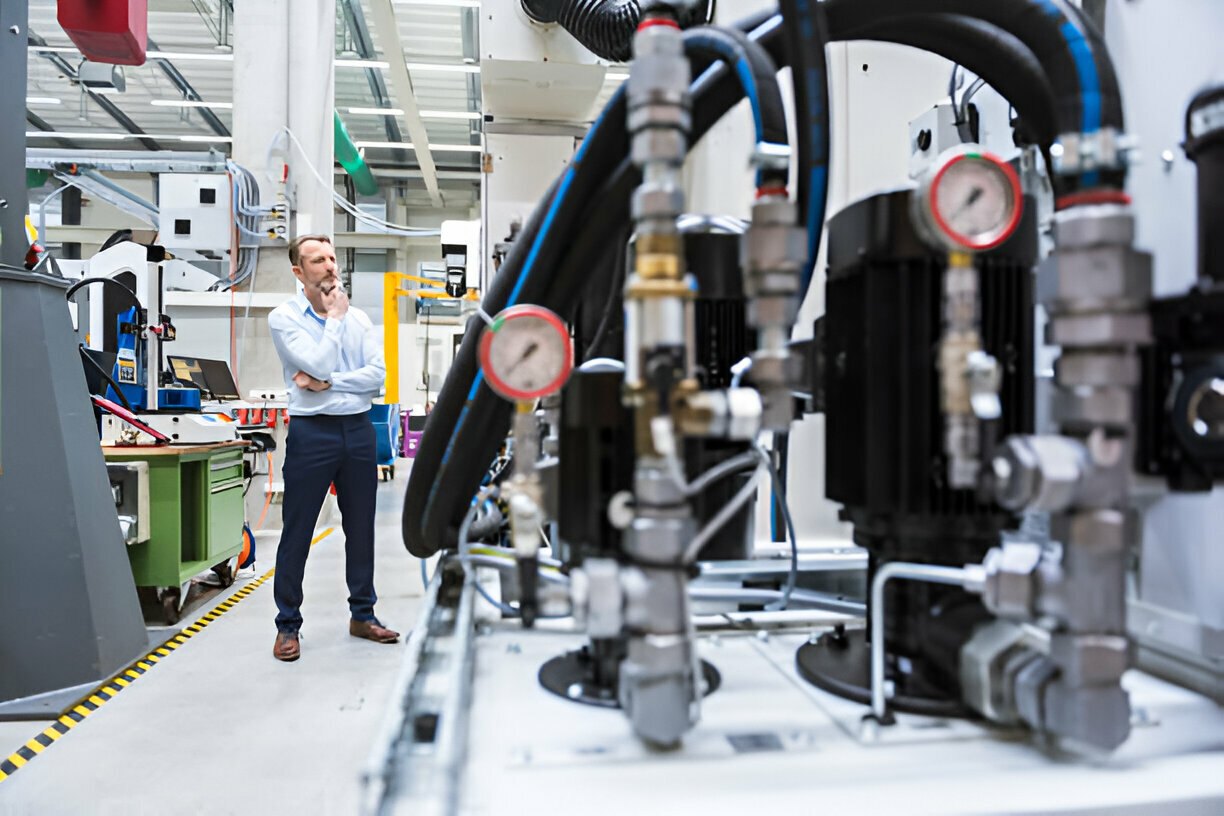
Industrial equipment encompasses a diverse range of machinery, tools, and systems that are essential for manufacturing, construction, agriculture, mining, and various other industrial sectors. The wide variety of industrial equipment available plays a crucial role in enhancing efficiency, productivity, and operational capabilities across different industries.
Types of Industrial Equipment
- Manufacturing Machinery: This includes CNC machines, assembly lines, robotics, and 3D printers used in manufacturing processes. These machines enable precise fabrication, assembly, and customization of products, contributing to high-quality output and reduced production times.
- Material Handling Equipment: Forklifts, conveyor systems, pallet jacks, and cranes fall under this category, facilitating the movement, storage, and transportation of materials within factories and warehouses. Efficient material handling equipment improves workflow efficiency and reduces labor costs.
- Construction Equipment: Excavators, bulldozers, cranes, and concrete mixers are essential for construction projects. These machines perform tasks such as excavation, grading, lifting heavy materials, and pouring concrete, accelerating construction timelines and improving project outcomes.
- Mining Equipment: Equipment like drills, loaders, and crushers are used in mining operations to extract minerals and ores from the earth. Advanced mining equipment enhances safety, increases extraction efficiency, and reduces environmental impact in mining activities.
- Agricultural Machinery: Tractors, harvesters, plows, and irrigation systems are vital for modern agriculture. Agricultural equipment enables farmers to increase crop yields, optimize resource use, and manage large-scale farming operations effectively.
- Power and Energy Equipment: Generators, turbines, transformers, and solar panels are crucial for generating and distributing power. These equipment types support energy production from renewable and non-renewable sources, ensuring reliable electricity supply.
Impact on Industries
- Enhanced Efficiency and Productivity: Industrial equipment automates repetitive tasks, reduces manual labor, and improves process efficiency. This leads to higher production outputs, lower operational costs, and improved competitiveness in global markets.
- Innovation and Technological Advancement: The integration of advanced technologies such as IoT, AI, and automation in industrial equipment drives innovation in manufacturing processes. This enables industries to develop new products, improve product quality, and meet evolving customer demands.
- Safety and Risk Mitigation: Modern industrial equipment is designed with advanced safety features and ergonomic designs to protect workers and minimize workplace accidents. Safety protocols and equipment contribute to a safer work environment and regulatory compliance.
- Environmental Sustainability: Sustainable industrial equipment reduces energy consumption, minimizes waste generation, and lowers carbon emissions. This promotes eco-friendly practices and supports industries in achieving environmental sustainability goals.
- Global Economic Growth: Industries equipped with efficient and reliable machinery experience accelerated growth, attracting investment, creating job opportunities, and contributing to economic development at regional and national levels.
In conclusion, industrial equipment serves as the backbone of modern industries, driving innovation, efficiency, and sustainability. The diverse range of equipment types available enables industries to optimize operations, enhance productivity, and remain competitive in a rapidly evolving global market.