
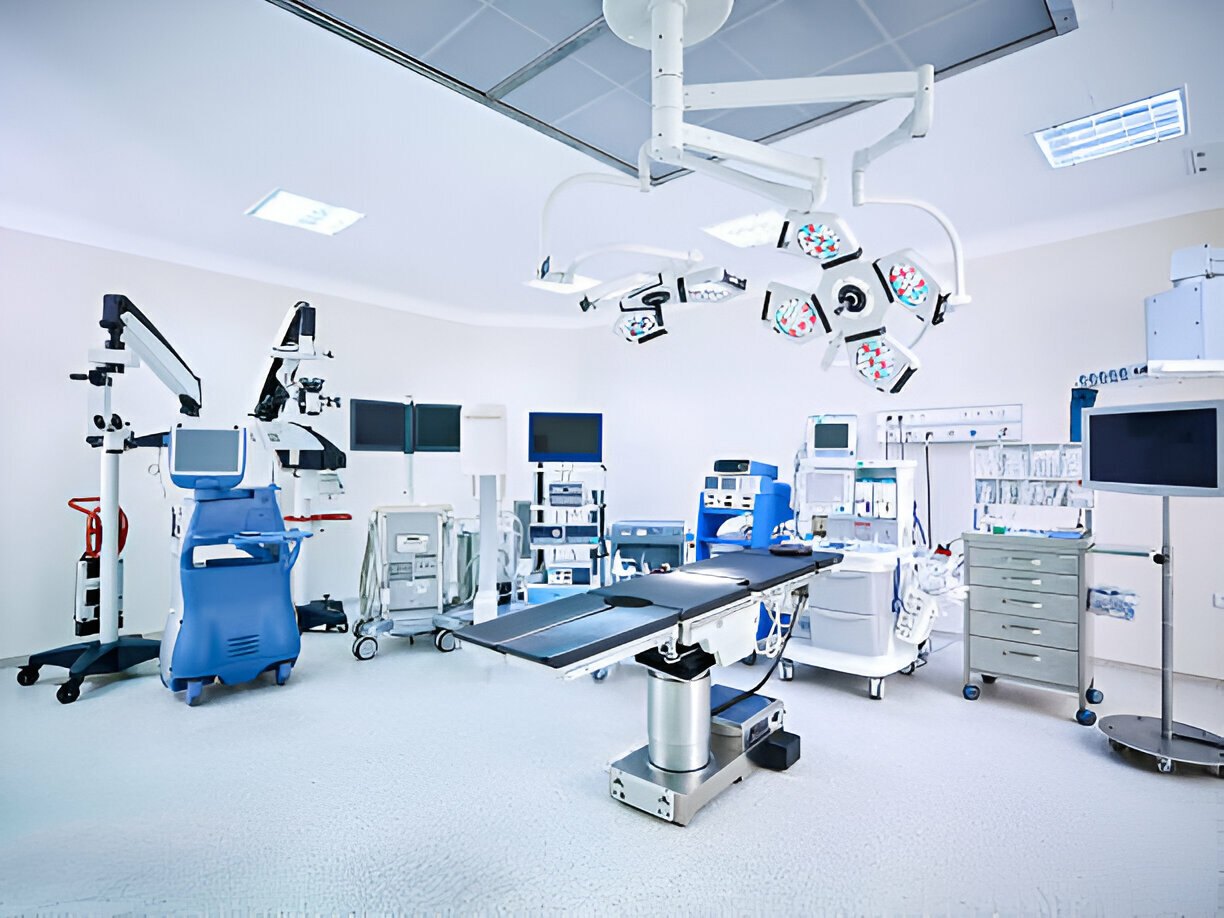
Instruments play a vital role in various industries by providing precise measurements, control, and monitoring of different parameters. Here are some key types of instruments and their applications:
Types of Instruments
- Measurement Instruments:
- Thermometers: Measure temperature. Used in healthcare, food industry, and environmental monitoring.
- Pressure Gauges: Measure fluid pressure. Common in HVAC systems, manufacturing, and oil & gas.
- Flow Meters: Measure the flow rate of liquids or gases. Essential in water treatment, chemical processing, and pharmaceuticals.
- Multimeters: Measure electrical properties like voltage, current, and resistance. Used in electrical maintenance, troubleshooting, and electronics.
- Control Instruments:
- Thermostats: Regulate temperature. Widely used in HVAC systems, refrigeration, and industrial processes.
- Valves: Control the flow of fluids. Crucial in plumbing, chemical industries, and irrigation systems.
- Relays: Electrically operated switches. Found in automotive systems, industrial automation, and telecommunications.
- Monitoring Instruments:
- Oscilloscopes: Display and analyze electronic signals. Used in research, development, and troubleshooting of electronic devices.
- Spectrophotometers: Measure the intensity of light. Important in chemical analysis, quality control, and environmental testing.
- Gas Detectors: Detect and monitor the presence of gases. Critical in mining, oil & gas, and industrial safety.
- Calibration Instruments:
- Calibrators: Verify the accuracy of other instruments. Essential in laboratories, manufacturing, and quality assurance.
- Deadweight Testers: Calibrate pressure instruments. Used in industries where precise pressure measurements are crucial.
Applications of Instruments
- Healthcare:
- Instruments like thermometers, blood pressure monitors, and ECG machines are vital for diagnosing and monitoring patients’ health.
- Manufacturing:
- Instruments such as pressure gauges, flow meters, and thermocouples ensure the quality and efficiency of production processes.
- Environmental Monitoring:
- Devices like gas detectors, humidity sensors, and spectrophotometers help in monitoring environmental conditions and ensuring compliance with regulations.
- Automotive:
- Instruments such as speedometers, fuel gauges, and tire pressure monitors enhance vehicle safety and performance.
- Research and Development:
- Instruments like oscilloscopes, multimeters, and spectrometers are crucial for developing new technologies and conducting scientific research.
- Food and Beverage Industry:
- Instruments such as pH meters, thermometers, and refractometers ensure the safety and quality of food products.
Conclusion
Instruments are indispensable tools across various industries, providing essential data for measurement, control, and monitoring. Their precise and reliable performance ensures efficiency, safety, and quality in numerous applications, from healthcare and manufacturing to environmental monitoring and research.